
Winter cycling brings joy - but only when you prepare well. Many cyclists store their bikes away as temperatures drop, but the right approach lets you keep pedalling through snow, ice, and limited daylight.
Your bike needs extra care in winter months. The right winter cycling gear proves valuable over time, especially if you plan to ride through winter season. Your winter bike needs several basic preparations. The brakes and gears must work properly and your chain needs good lubrication before you head out.
This piece walks you through everything about getting your bike ready for winter conditions. You'll learn about mechanical adjustments, visibility solutions and storage techniques. Let's make your bike ready for winter!
Your bike needs proper preparation for cold weather riding to perform well and last longer. A bike that's well-maintained during winter will serve you reliably through the toughest months and save you from repairs that can get pricey in spring.
Cold weather makes bike components dry out or freeze up. Good lubrication protects your bike against winter elements. Start with the drivetrain – the chain, cassette, and derailleur. Use a good degreaser to clean accumulated grime before you apply fresh winter-rated lubricant.
Winter riding needs the best possible braking performance. Take a good look at your brake pads before winter starts. Look for:
Winter conditions wear pads faster because of extra road grit and moisture. You should check braking surfaces often throughout winter since contamination can reduce stopping power substantially. Better braking comes from upgrading to compounds made specifically for wet, muddy environments.
Summer chain lubricant won't cut it in winter conditions. Dry or wax-based lubes work great in summer but wash away too easily in harsh winter conditions. You need a wet, oil-based lubricant that fights corrosion better.
Special winter lubricants like Muc Off -50°C Chain Lubricant work in very cold temperatures. It repels water and stops rust from forming. Put winter lubricant on 3-4 hours before you ride for the best results.
Keep lubricants away from braking surfaces – including rims, disk rotors and brake pads. Getting lube on these parts risks your safety. After you apply lubricant, wipe off any extra with a clean cloth. This prevents dirt from sticking and creating an abrasive paste that wears down components faster.
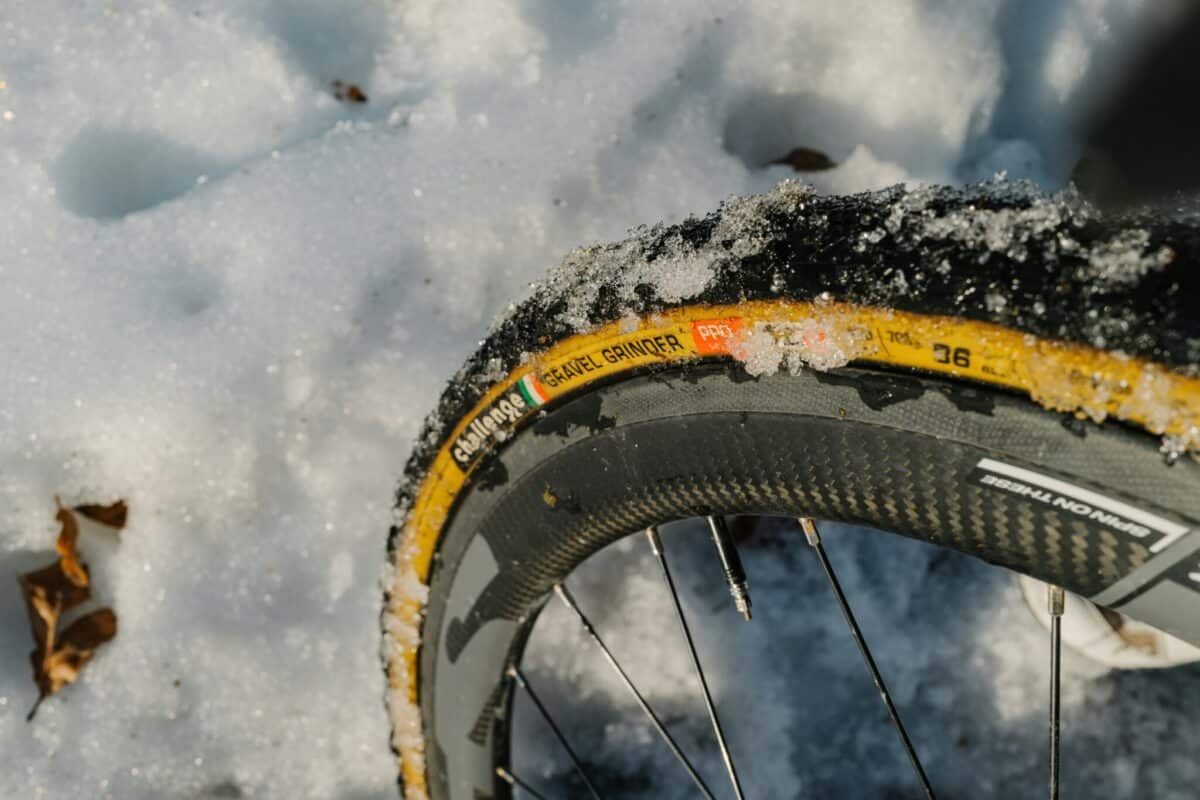
Your tires create the vital link between your bike and winter surfaces. The right winter-specific tires can make a huge difference in stability, control, and how much you enjoy cold-weather rides.
Studded tires give you the best traction on consistent ice and slippery conditions. These tires have metal studs embedded in the tread that bite into ice and provide mechanical grip where rubber alone would fail. They work great on ice, but you'll find them noisy, heavier, and a bit less efficient on clear pavement.
Cyclocross or treaded hybrid tires work well for moderate winter conditions without constant ice. These tires give you a good balance with better grip than road tires while keeping reasonable rolling efficiency. Mountain bike tires with aggressive tread patterns also handle snow well, especially when you run them at lower pressures.
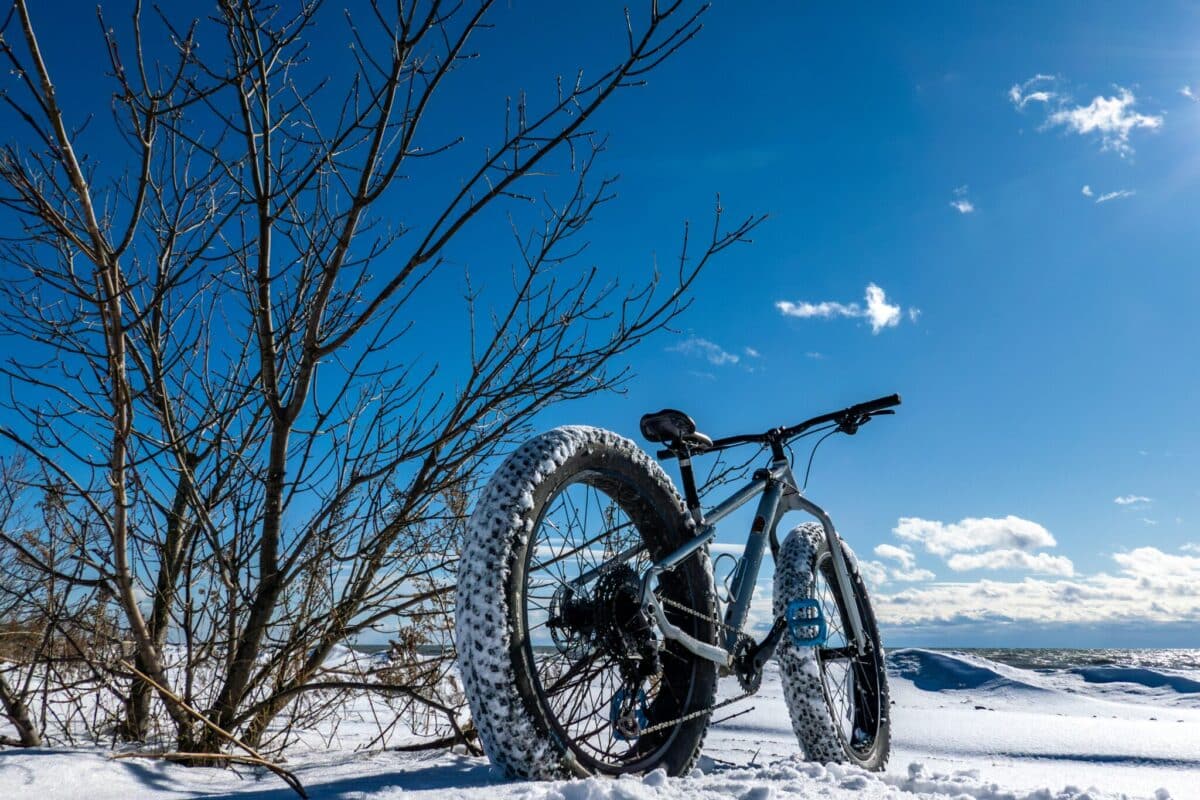
Fat bikes are the ultimate winter option, with massive 4-5 inch tires that float on snow like snowshoes.
Your traction on slippery surfaces improves when you reduce tire pressure because it creates a larger contact patch with the ground. You'll want to stay at the lower end of your tire's recommended pressure range for winter riding.
Here are pressure guidelines based on your setup:
Cold temperatures naturally reduce tire pressure, so it's crucial to check before every winter ride.
You should carefully check your bike frame and fork clearance before buying wider winter tires. Wider tires give you better grip and comfort in winter conditions, but many bikes have limits on maximum tire width.
Here are key clearance factors to think about:
New tires are the quickest way to improve winter riding performance. They'll give you immediate benefits in stability and confidence on challenging surfaces.
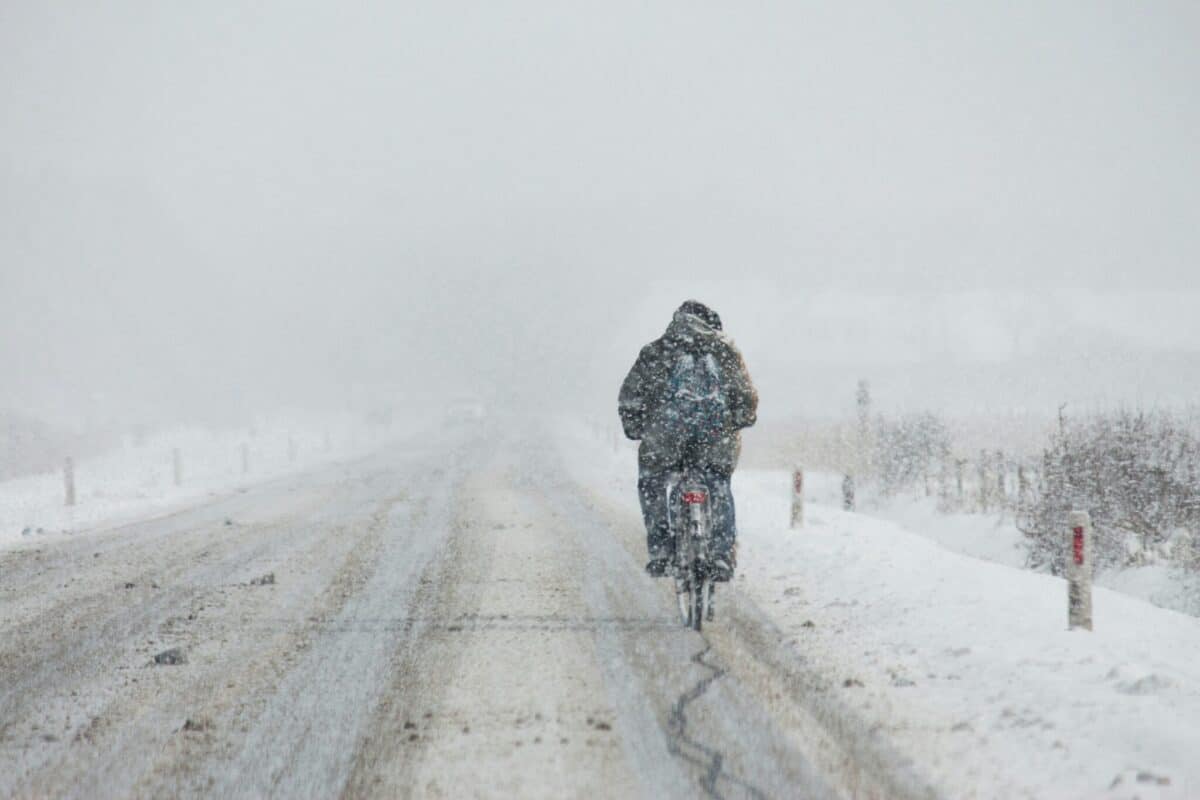
Visibility is a vital safety factor for winter cycling. Shorter days and challenging weather conditions make it more important than ever to ensure other road users can see you clearly.
Winter cycling needs powerful illumination. Your front lights should be at least 500 lumens bright, while rear lights need 100 lumens minimum. You might want to use two light sources at both ends—one on your handlebar and another on your helmet or arm up front, plus one on your bike and another on your helmet or clothing at the back. This setup with multiple visibility points also serves as a backup if one light fails. Light patterns that flash can grab more attention, especially during daylight hours.
Research shows that reflective materials work better than fluorescent colours in darkness. The best cycling gear offers 360-degree reflectivity that will give you visibility from every angle. Reflective elements on moving parts like ankles and feet help drivers spot you more easily. Light-reflecting jackets, vests, and accessories will make you noticeable in any conditions.
The best winter cycling outfit uses three layers: moisture-wicking base, insulating middle, and protective outer layer. Your hands, feet, and head need extra attention—thermal gloves, waterproof overshoes, and ear-covering headgear are vital. A snug base layer topped with flexible layers will keep your upper body warm and let you adjust as needed.
Your riding technique should adapt to winter conditions—keep your pace slower, pedal smoothly, and avoid quick turns. The area near the curb often collects ice and debris, so stay clear of it. Slippery surfaces mean you'll need more stopping distance, and a relaxed upper body will give you better control than tense muscles.
Your bike needs good care to last through harsh winter conditions. Regular maintenance helps you avoid pricey damage from salt, moisture, and grime.
Mud comes off more easily when wet, so clean your bike right after riding. A microfibre cloth with warm, soapy water works best to clean the frame. Hot water and dish soap in a bucket clean stubborn dirt better than high-pressure sprays that might harm components. Salt tends to build up in certain spots and can speed up corrosion, so clean these areas carefully.
A dirty chain reduces performance by wearing down faster, becoming less flexible, and making shifting harder. Your chain needs weekly cleaning with bike-specific degreaser in winter. Use lubricant made for bicycle chains - these contain Teflon and keep water away. Rust or squeaking sounds mean your chain needs lubrication right away.
Your bike should stay in a spot where temperature stays above 19°C. Garages, basements, or bike sheds make good storage spaces, but they must stay dry. Bikes stored on the ground need regular tire pressure checks since cold weather naturally lowers PSI.
E-bike batteries should come inside right after cleaning. They need charging to about 60% before storage. Battery gel gets stiff in cold temperatures, and this is a big deal as it means that your range drops.
Winter cycling can be a great experience if you prepare the right way. This piece covers everything you need to winterize your bike for cold-weather riding. The right lubricants designed for winter conditions will protect your drivetrain from moisture and salt damage.
Your brakes need extra care during winter months because stopping distances increase on slippery surfaces. Regular inspection and new pads are vital for safety.
Tire choice is the most important factor that determines winter cycling success. Studded tires give you the best traction on ice. Lower pressures improve grip on all tire types. Make sure to check your frame clearance to ensure compatibility before any upgrades.
Dark winter days just need more visibility gear. Multiple lights, reflective materials, and proper winter clothing keep you visible and comfortable in tough conditions. Changing how you ride in winter helps prevent accidents on snow and ice.
Quick cleaning after rides stops long-term damage from road salt and grime. Weekly chain maintenance and proper storage help your components last longer. E-bike riders should store their batteries indoors to keep them working well.
These preparations make winter cycling both possible and fun. Riding all year gives you more satisfaction than the extra maintenance work it needs. Cold weather doesn't mean you have to stop cycling - it's a chance to try new experiences if you're ready for them. Get your bike winter-ready and discover what makes winter riding special!