
Cycling is one of the most diverse sports in the world, offering something for everyone—whether you thrive on high-speed road racing, love the adrenaline of mountain biking, or enjoy the strategy of virtual cycling. From Olympic events to grassroots competitions, each of the disciplines has its own unique skills, tactics, and culture.
In this guide, we’ll break down the major disciplines of cycling, explaining how they work, what makes them exciting, and what kind of rider they attract. Whether you’re new to cycling or looking to explore a new style of riding, this overview will help you understand the many ways you can experience the sport.
When most people think of road cycling, they picture races like the Tour de France—one-day or multi-day stage races where riders compete in a mass-start format, drafting off each other to conserve energy. The winner is simply the first rider to cross the finish line. But there are also different categories of Road Cycling Races.
Time trials (TT), often called "the race of truth," are a different type of road race. Instead of a mass start, riders begin individually at set intervals, racing against the clock with no drafting allowed. The winner is determined by the fastest overall time, not by who crosses the line first.
Criteriums (crits) share similarities with road races in that they are mass-start events where the first person across the line wins. However, they take place on short, closed circuits—typically 1 to 3 km long—and are time-based rather than distance-based. For example, a criterium might be 60 minutes plus a set number of laps, leading to fast-paced, tactical racing.
Beyond traditional road racing, there are also Gran Fondos and ultra-distance events. Gran Fondos are large-scale, long-distance rides that can be either timed in segments or fully race-based. Ultra-distance events push endurance limits even further, often spanning 200 km or more in a single day, testing riders both physically and mentally.

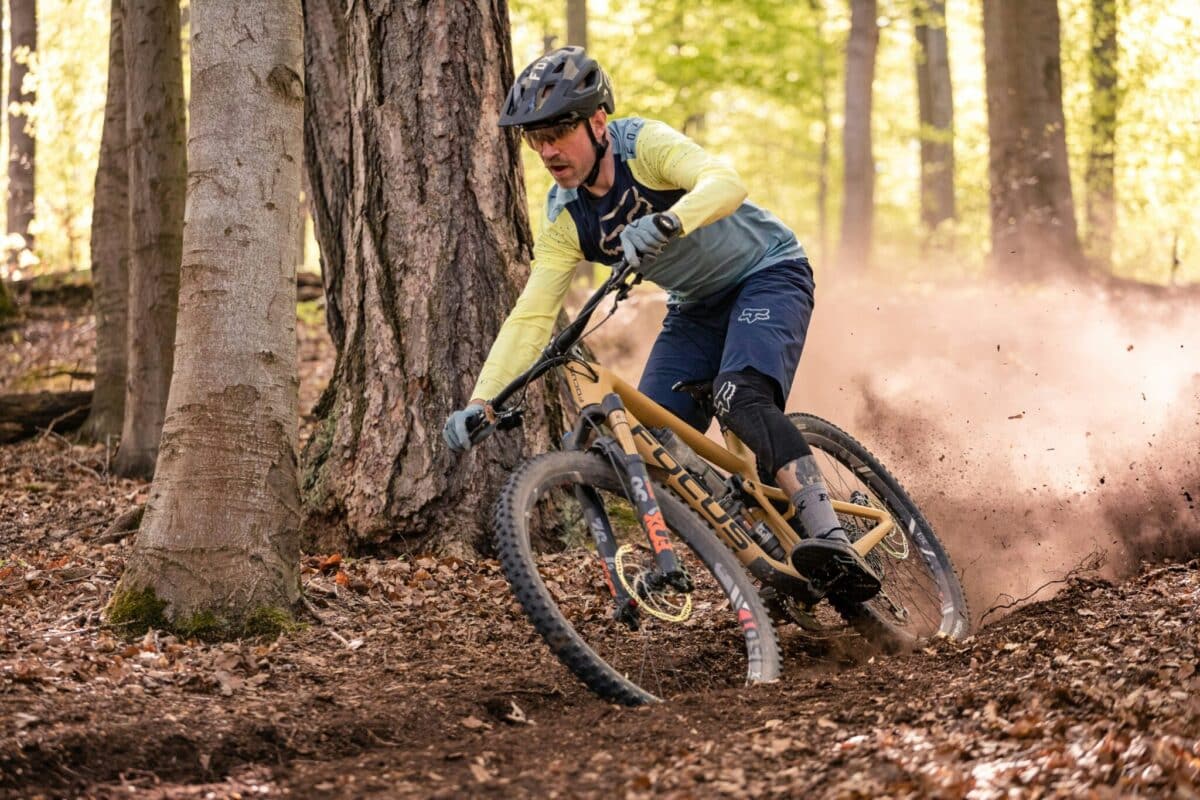
When most people think of mountain bike racing, they often picture the high-intensity discipline featured in the Olympics—Cross-Country (XC). This is a mass-start event where riders navigate a mix of singletrack and doubletrack trails, often with technical climbs, descents, and obstacles. The winner is the first rider to cross the finish line. Courses vary in difficulty, but all require strong endurance and technical bike-handling skills.
Another popular MTB discipline is Enduro, a race format where only certain sections—typically the downhill portions—are timed. Riders pedal between stages at their own pace, but their overall race time is determined by adding up their timed downhill segments. The rider with the fastest combined time wins, making Enduro a blend of endurance, skill, and gravity-fed speed.
Downhill (DH) racing is similar to Enduro but focuses solely on descending. Riders complete multiple runs on the same downhill track, with only their fastest time counting toward the final standings. These courses are steep, technical, and often include jumps, drops, and rock gardens, requiring precision and nerve.
For those who prefer long-distance challenges, Marathon MTB racing extends the cross-country format over much longer distances, typically 60 km or more. Unlike traditional XC races, which are often looped, marathon events tend to follow point-to-point or large circuit routes through rugged and remote terrain, testing both endurance and navigation skills.
At its core, gravel cycling is exactly what it sounds like—riding on gravel. However, the discipline encompasses much more than just unpaved roads. Gravel races often feature a mix of terrain, including gravel and dirt roads, paved sections, doubletrack, singletrack, and even hike-a-bike sections. These races are typically mass-start events with distances ranging from 50 km to 400 km or more. Due to their length and remote nature, many gravel races include aid stations where riders can refuel. While some participants race to win, many others take on these events as a personal challenge, aiming simply to finish.
On the other end of the spectrum is bikepacking, a form of self-supported, long-distance cycling that blends elements of mountain biking, touring, and backpacking. Unlike traditional bike touring, which often uses panniers and racks, bikepacking prioritizes a lighter weight setup with gear packed into frame bags, handlebar bags, and seat packs. This allows for a more nimble and efficient ride, making it ideal for multi-day adventures on mixed terrain.
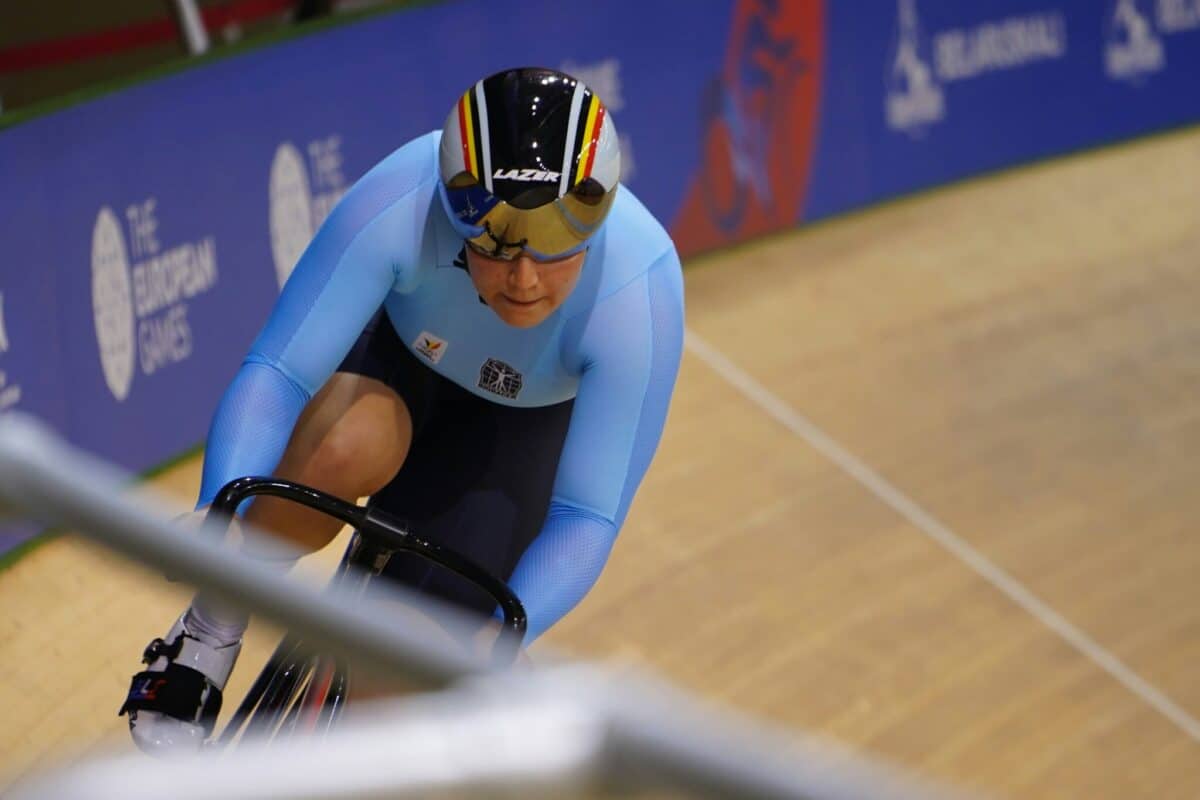
Track cycling takes place on a velodrome, an oval-shaped, banked track designed for high-speed racing. Standard velodromes used in competition are typically 200 or 250 meters in length, with steeply banked corners that allow cyclists to maintain speed while cornering. Unlike road or mountain biking, track cycling features a variety of race formats, making it similar to track and field in its diversity.
Track events are generally divided into two main categories: sprint events, which emphasize explosive power and speed, and endurance events, which focus on sustained effort, strategy, and teamwork.
Sprint races are short, intense, and often highly tactical, requiring both strategic positioning and rapid acceleration.
Endurance events emphasize sustained effort, tactical decision-making, and, in many cases, teamwork.
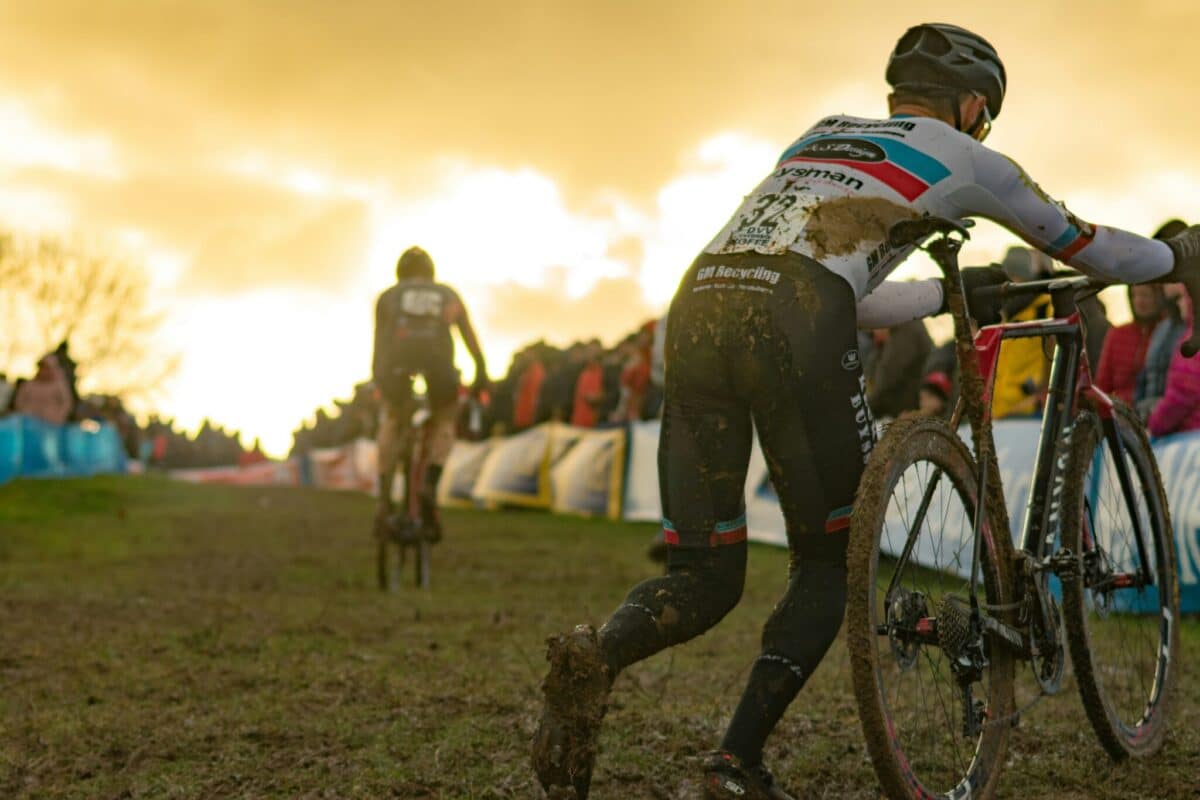
Cyclocross (CX) is one of the most exciting and physically demanding cycling disciplines, blending elements of road, mountain biking, and obstacle racing. Originating in Europe as a way for road cyclists to stay fit in the off-season, it has grown into a globally popular sport with a strong following, particularly in Belgium, the Netherlands, and France.
Cyclocross races take place on short, technical circuits—typically 2.5 to 3.5 km in length—with riders completing multiple laps over the course of 30 to 60 minutes, depending on their category. The terrain is highly varied, featuring:
Since cyclocross is primarily a fall and winter sport, muddy, wet, and even snowy conditions are common, adding another layer of technical difficulty.
Cyclocross is a mass-start event, meaning all riders begin at the same time and battle for position early on. Unlike road racing, drafting plays a minimal role—races are won through technical skill, explosive power, and efficient bike handling.
BMX (Bicycle Motocross) is a high-adrenaline cycling discipline with two main categories: BMX Racing and Freestyle BMX. Both emphasize skill, speed, and bike control, but they differ in format, objectives, and terrain.
BMX Racing is a fast-paced, Olympic discipline where riders compete in short, intense races on a specially designed track filled with jumps, berms, rollers, and banked corners. Races are mass-start sprint events, typically lasting 30-45 seconds, with riders accelerating rapidly out of a starting gate and battling for position through technical sections.
Key features of BMX racing:
Since its Olympic debut in 2008, BMX racing has grown in popularity, with professional circuits like the UCI BMX World Championships showcasing elite competition.
Unlike racing, Freestyle BMX is about creativity, style, and executing impressive tricks. Riders perform stunts on various terrain types, including skate parks, street settings, dirt jumps, and vert ramps.
Freestyle BMX includes several sub-disciplines:
Freestyle BMX became an Olympic sport in 2020, with BMX Park featured in the Games. Riders are judged on difficulty, execution, and style, much like skateboarding or freestyle skiing.

Virtual cycling is the newest discipline in competitive cycling, rising in popularity with the emergence of platforms like Zwift, MyWhoosh, Rouvy, and Wahoo RGT. Originally designed for indoor training, these platforms have evolved into fully immersive racing environments, where cyclists from around the world can compete in real-time from their own homes.
The discipline exploded in popularity during the 2020 and 2021 seasons, when restrictions limited outdoor racing. However, it has continued to grow, offering cyclists a convenient, data-driven, and highly competitive way to train and race.
Whether for training, social rides, or full-on racing, virtual cycling is now a legitimate and growing discipline in the sport.
Cycling is more than just a sport—it’s a world of possibilities, each discipline offering its own challenges, excitement, and rewards. Whether you prefer the speed and tactics of road racing, the technical skills of mountain biking, the endurance test of gravel racing, or the precision of track cycling, there’s a style of riding for everyone. Even newer formats like virtual cycling and bikepacking have expanded the ways people engage with the sport.
No matter which discipline you choose, cycling is about pushing your limits, improving your skills, and most importantly, having fun on two wheels. So, whether you’re looking to compete, explore new terrain, or just enjoy the ride, there’s a cycling discipline waiting for you.