A bicycle is a system of precision-engineered components working together under constant load. Chains articulate thousands of times during a ride, bearings rotate under pressure, drivetrain components transfer power with every pedal stroke, and frame surfaces are continuously exposed to moisture, dirt, road debris, sweat, and environmental contaminants. While modern bicycles are remarkably capable and durable, their performance and longevity depend heavily on regular bicycle maintenance.
Many riders focus on upgrading equipment to improve performance, but one of the most effective ways to enhance ride quality, efficiency, and component lifespan is through routine cleaning, protection, and lubrication. These simple maintenance practices help preserve drivetrain performance, reduce unnecessary wear, improve shifting quality, and maintain the appearance and value of the bicycle over time.
Whether riding a road, time-trial/triathlon, gravel, or a mountain bike setup, establishing a consistent maintenance routine ensures every ride begins with a bicycle that performs as intended. A happy bike, is a clean bike. And a clean bike, is a fast bike. Unlock the free riding efficiency with three simple steps: clean; protect; and lubricate.
Why Bicycle Maintenance Matters?
Every ride exposes your bike to contaminants that accelerate wear. Dust, road grit, moisture, mud, and airborne debris gradually work their way into drivetrain components, pivot points, and bearing interfaces. Left unattended, these contaminants increase friction and create abrasive conditions that can significantly shorten component lifespan.
Drivetrain components are particularly vulnerable. Chains, cassette cogs, chainrings, and derailleur pulleys operate under high loads and tight tolerances. As contamination accumulates, friction increases and efficiency decreases. A drivetrain that is regularly cleaned and lubricated transfers power more effectively, shifts more precisely, and experiences less wear over time.
Routine bicycle maintenance also allows riders to identify potential issues before they become expensive repairs. Worn chains, damaged tires, loose fasteners, and contaminated bearings are easier and less costly to address when discovered early.
The Foundation: Proper Cleaning
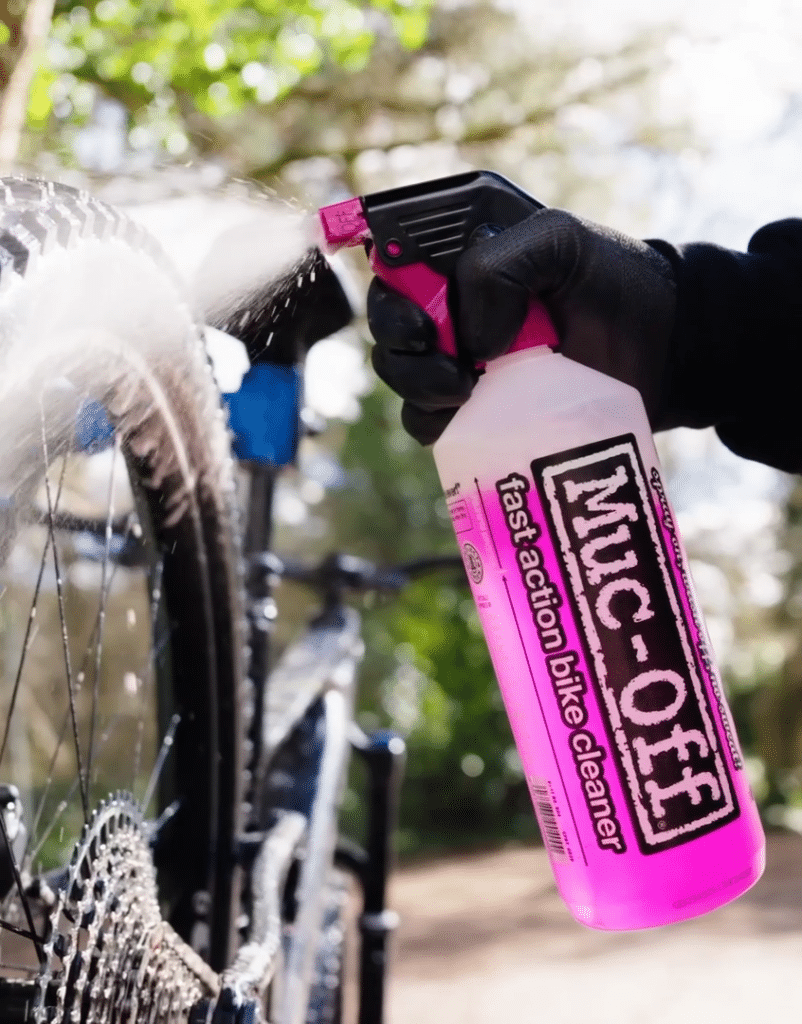
Cleaning is the first step in any effective bicycle maintenance routine. Before protection products or lubricants can perform properly, dirt and contamination must be removed from the bicycle.
Frame surfaces accumulate grime that can dull finishes and trap moisture against painted and carbon surfaces. More importantly, dirt builds up around moving components where it contributes directly to premature wear. A thorough cleaning removes contaminants before they can damage critical parts.
Purpose-built bicycle cleaning solutions are designed to break down road grime, mud, grease, and environmental residue without damaging sensitive materials. Modern bicycles often incorporate carbon fiber, anodized aluminum, titanium, composite materials, rubber seals, and advanced coatings. Using bicycle-specific cleaning products helps ensure these materials remain protected during routine maintenance.
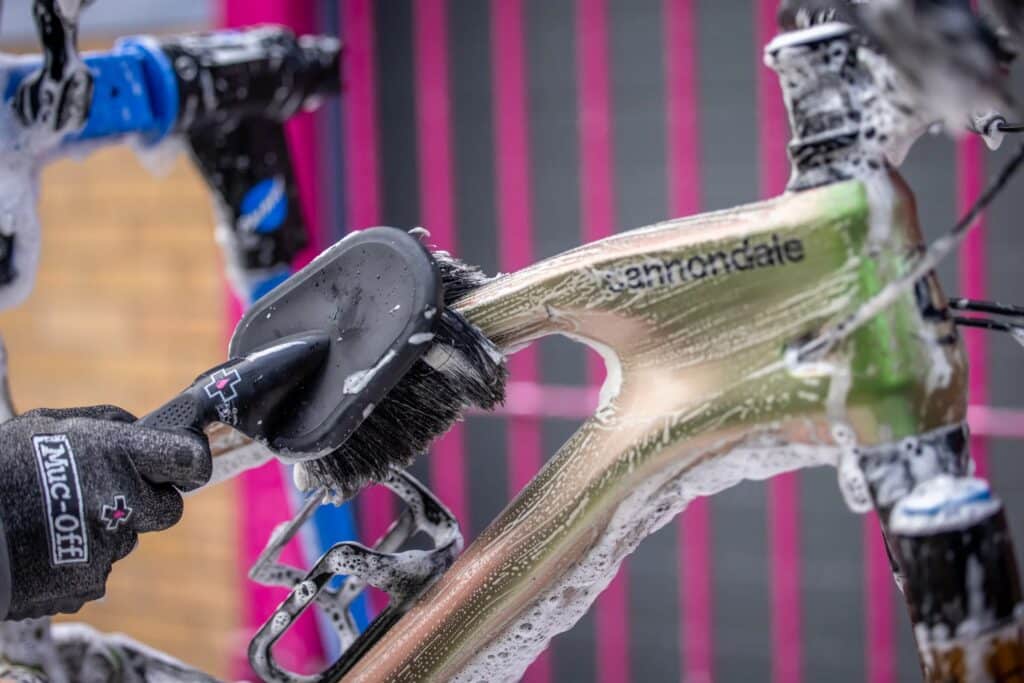
Particular attention should be paid to high-contact areas such as the drivetrain, derailleur assemblies, brake calipers, wheel hubs, and bottom bracket region. These areas tend to collect the greatest concentration of contamination and benefit most from regular cleaning.
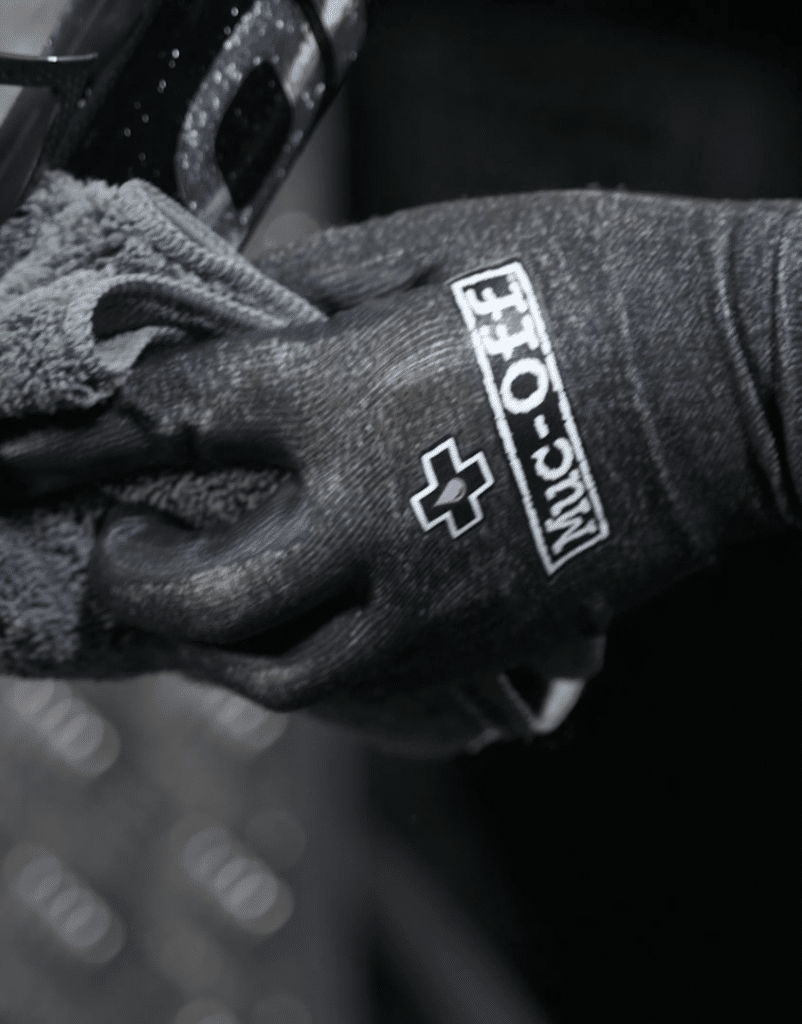
A clean bicycle is also easier to inspect. Small cracks, worn components, damaged cables, leaking seals, and other issues become significantly easier to identify when hidden beneath layers of dirt and grime are removed.
Drivetrain Cleaning: The Area That Delivers the Biggest Performance Gains
If one maintenance task consistently provides the greatest return on effort, it is drivetrain cleaning.
The chain functions as the primary connection between rider input and forward motion. Every watt generated by the rider passes through the chain before reaching the rear wheel. When contamination accumulates within the chain rollers and links, friction increases and efficiency decreases.
Specialized drivetrain degreasers are designed to break down old lubricant, embedded grit, road film, and accumulated debris. Thoroughly cleaning the chain, cassette, chainrings, and pulley wheels helps restore smooth operation while creating a clean surface for fresh lubrication.
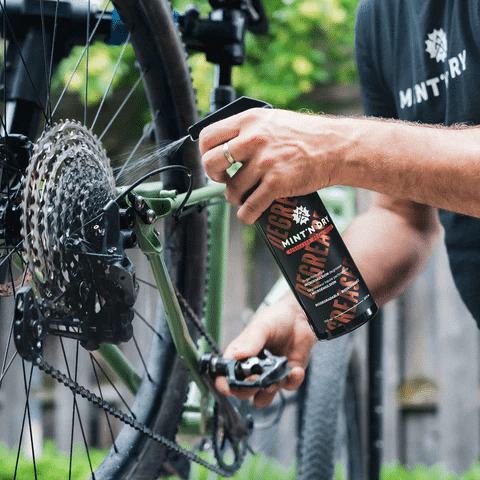
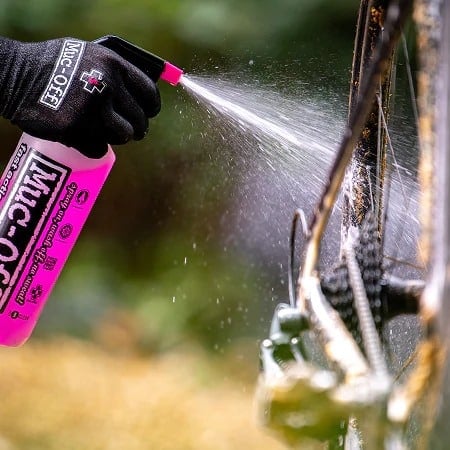
Maintaining a clean drivetrain also helps preserve component life. Replacing a chain is relatively inexpensive compared to replacing an entire cassette and chainring set. Regular cleaning and chain maintenance can significantly delay drivetrain wear, reducing long-term ownership costs.
For riders using electronic drivetrains, mechanical drivetrains, single-chainring systems, or traditional double-chainring configurations, drivetrain cleanliness remains equally important for shifting precision and consistent performance.
Protecting Your Bike After Cleaning
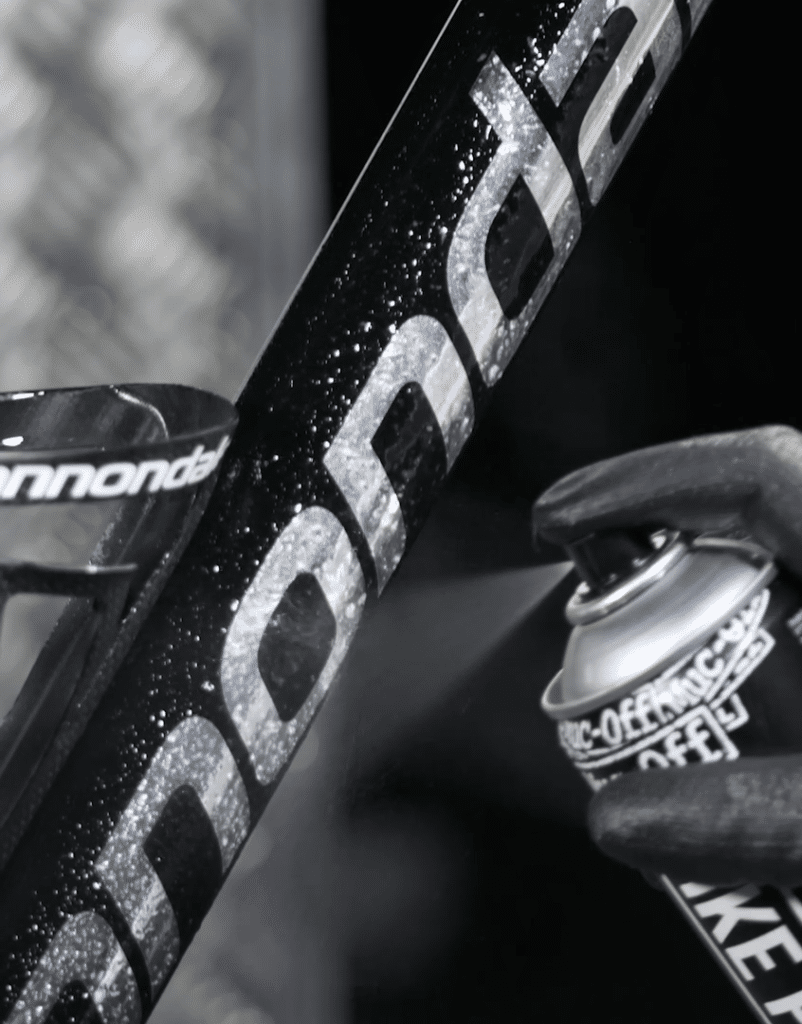
Once you've cleaned your bike, protective products provide an additional layer of defense against environmental exposure.
Protective finishes, bicycle-specific polishes, and surface protectants help reduce the accumulation of dirt and moisture between washes. These products can also help preserve painted finishes, maintain carbon fiber appearance, and improve the ease of future cleaning sessions.
Protection becomes particularly valuable for riders who frequently encounter wet roads, gravel dust, coastal environments, or variable weather conditions. Environmental contaminants are less likely to adhere aggressively to properly protected surfaces, making routine maintenance faster and more effective.
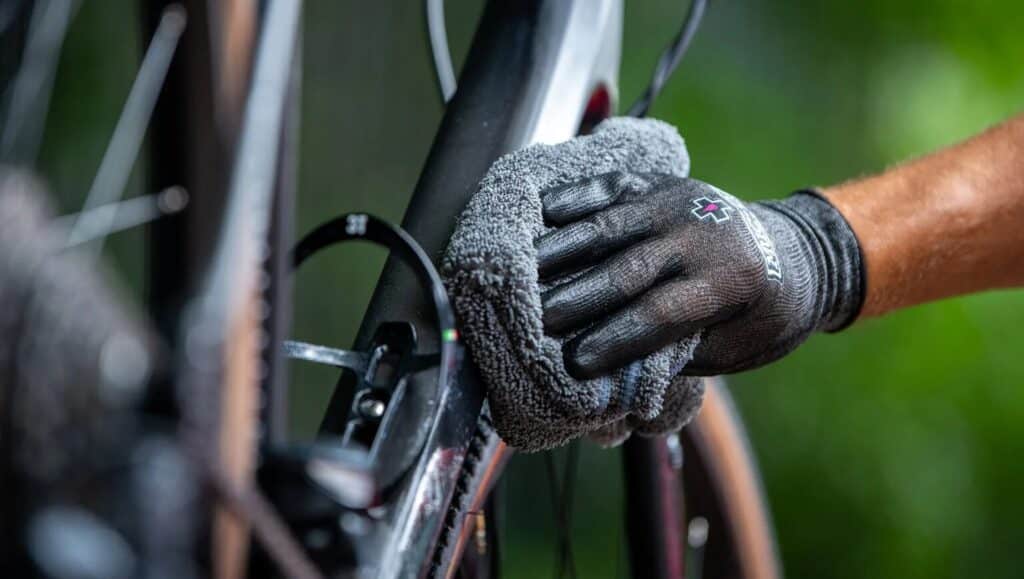
Beyond appearance, protective treatments help maintain the overall condition of the bicycle. Frames, forks, wheels, and components remain easier to clean and inspect, helping riders identify wear before it becomes problematic.
For many cyclists, the visual appeal of a clean, protected bicycle is an added benefit. A bicycle that looks well-maintained often reflects the condition of the components beneath the surface.
The Critical Role of Lubrication
Cleaning removes contamination, but lubrication ensures components continue to operate efficiently afterward.
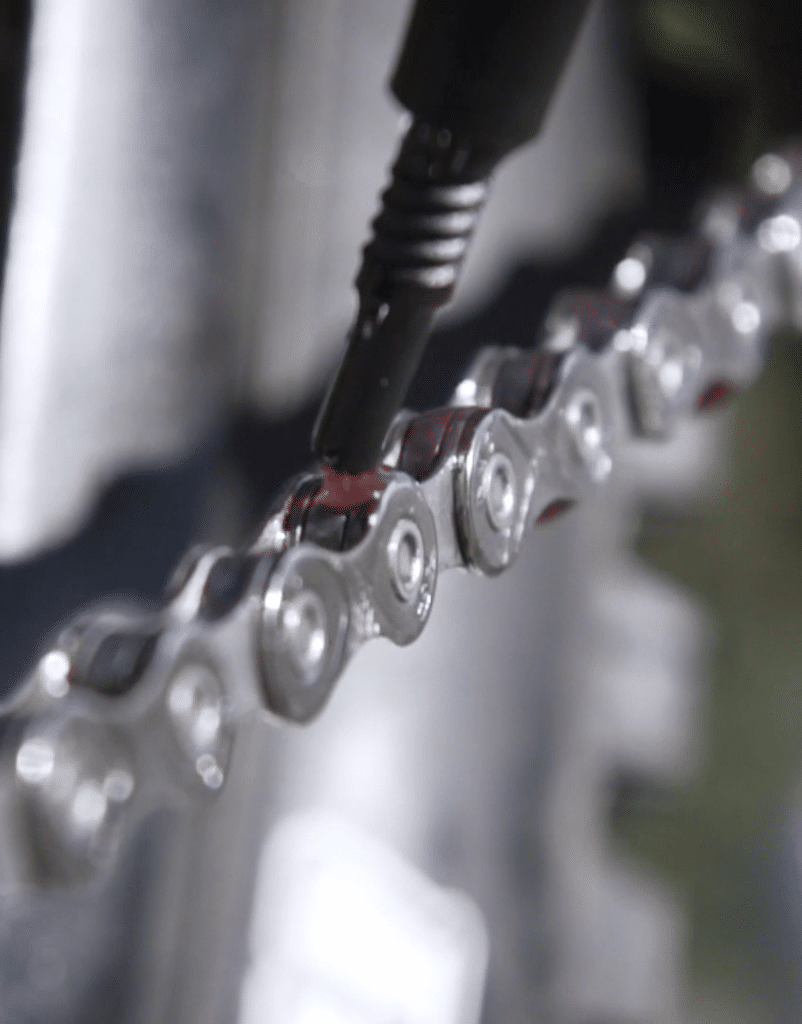
The chain is the most obvious lubrication point on any bicycle. Proper chain lubrication reduces metal-to-metal contact, minimizes friction, improves drivetrain efficiency, and helps protect against corrosion. However, lubrication is most effective when applied to a clean drivetrain rather than layered over dirt and contamination.
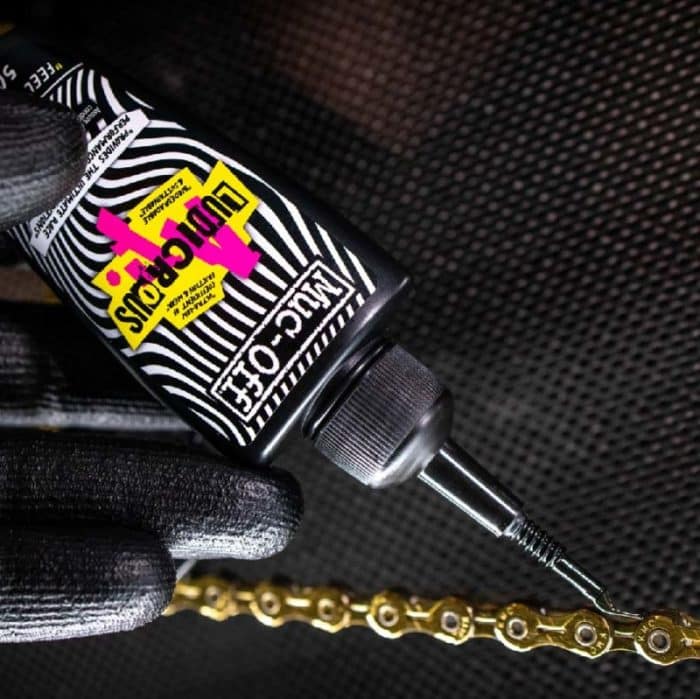
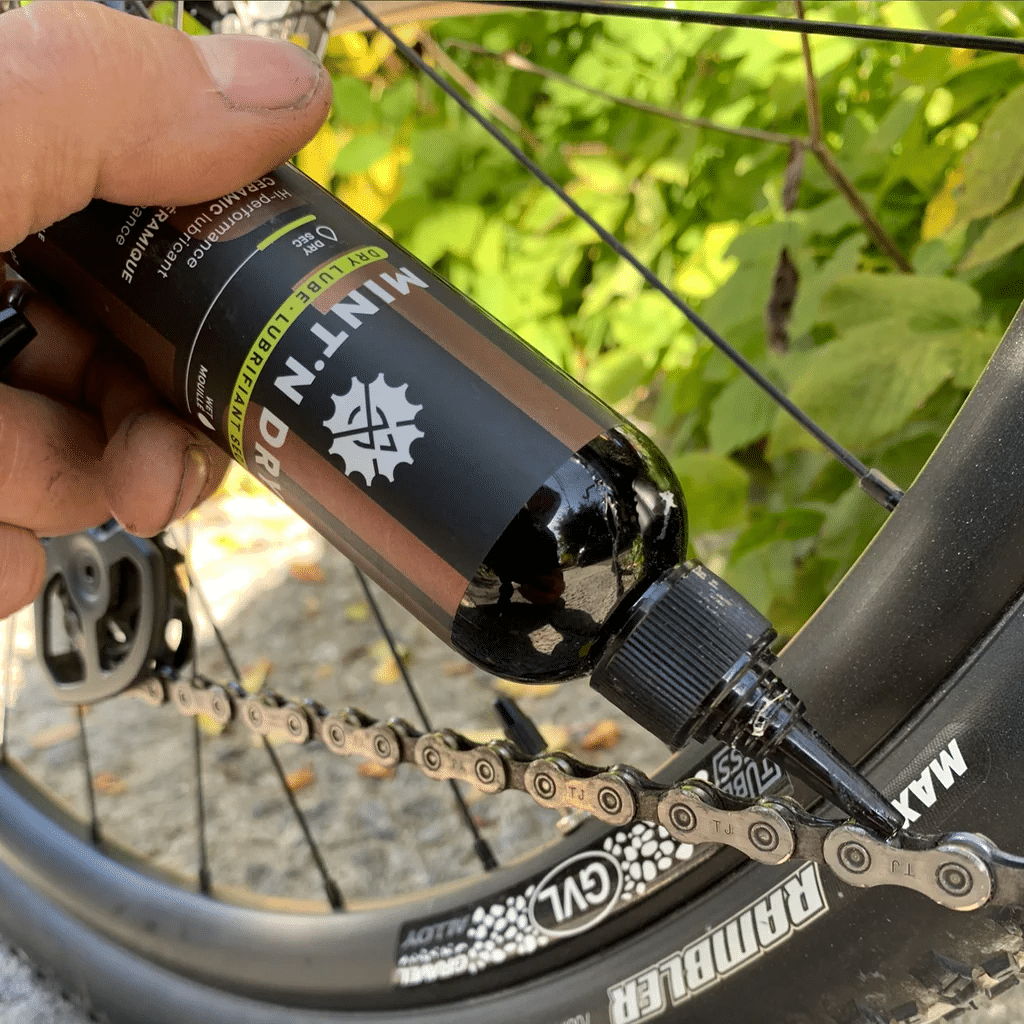
Different riding environments often require different lubricant formulations. Dry conditions typically benefit from lubricants designed to resist dust accumulation, while wet conditions may require formulas that remain effective despite moisture exposure. Selecting an appropriate lubricant for the riding environment helps maximize drivetrain performance and cleanliness.
Beyond the chain, lubrication plays an important role throughout the bicycle. Pivot points, derailleur mechanisms, cables, and various moving interfaces all benefit from proper bicycle maintenance and lubrication practices. Smooth operation reduces resistance and contributes to more predictable performance on the road or trail.
Bearings within wheel hubs, headsets, bottom brackets, and pedal systems rely on grease and sealing systems to operate efficiently. While these components typically require less frequent servicing than the drivetrain, maintaining them properly helps preserve rolling efficiency and long-term durability.
Maintenance and Performance Go Hand in Hand
Many riders associate bicycle maintenance solely with durability, but the performance benefits are equally significant.
A clean drivetrain shifts more accurately. A properly lubricated chain transfers power more efficiently. Well-maintained bearings roll more smoothly. Clean braking surfaces provide more consistent braking performance. Together, these improvements contribute to a bicycle that feels faster, quieter, and more responsive.
Small gains across multiple systems create a noticeable difference in overall ride quality. Riders often describe a freshly serviced bicycle as feeling new again—not because components have changed, but because the bicycle is operating closer to its intended performance level.
For competitive cyclists, these benefits translate into improved efficiency and consistency. For recreational riders, they contribute directly to riding enjoyment and confidence.
Building a Sustainable Maintenance Routine
The most effective maintenance strategy is consistency. Waiting until a drivetrain becomes noisy, shifting deteriorates, or components show visible wear often means performance has already declined.
A simple routine consisting of regular cleaning, drivetrain inspection, protective treatment, and lubrication can prevent many common bicycle maintenance issues. Riders who clean and inspect their bicycles frequently are more likely to identify worn chains, damaged tires, loose hardware, and developing problems before they lead to costly repairs.
Bicycle maintenance does not need to be complicated. A small investment of time after rides, especially following wet or dirty conditions, can preserve thousands of dollars' worth of equipment while ensuring every ride starts with a bicycle operating at its best.
Maintenance at it's Core
ㅤ🫧 Clean the bicycle to remove dirt, grime, and contamination
ㅤ🧽 Degrease drivetrain components before lubrication
ㅤ🛡️ Apply surface protection products after cleaning
ㅤ⚙️ Lubricate the chain using riding-condition appropriate lubricant
ㅤ🔎 Inspect components regularly for wear and damage
Key Areas to Maintain
- Chain
- Cassette
- Chainrings
- Derailleur pulleys
- Wheel hubs
- Bottom bracket
- Headset bearings
- Brake components
- Frame and fork surfaces
Primary Benefits
↓ drivetrain wear
↑ shifting performance
↑ drivetrain efficiency
↑ component longevity
↑ Easier inspections and servicing
↑ ride quality and enjoyment
Regular bicycle maintenance is one of the simplest and most effective ways to protect performance, preserve component life, and improve the riding experience. Through consistent cleaning, protection, and lubrication, cyclists can maximize the efficiency of their equipment while reducing long-term wear and maintenance costs. Whether preparing for a weekend group ride, a gravel adventure, or a season of training, a well-maintained bicycle is always ready to perform.
FAQs about the Bicycle Maintenance:
Find answers to some of the most common questions about bicycle maintenance below. For more detailed information on maintenance products, cleaning solutions, drivetrain care items, and lubrication options, explore our individual product pages—with options from MUC-OFF, MINT'N DRY, SILCA & MORE!
How often should I clean my bicycle?
- Cleaning frequency depends on riding conditions. Dry-weather road bikes can often be cleaned every few rides, while gravel and mountain bikes ridden in wet or muddy conditions should be cleaned after each ride.
Why is drivetrain cleaning so important?
- The drivetrain experiences the highest concentration of contamination and wear. Regular cleaning reduces friction, improves shifting performance, and extends the lifespan of chains, cassettes, and chainrings.
Should I lubricate my chain after every wash?
- Yes. Cleaning removes contaminants and often removes lubricant as well. A clean chain should always receive fresh lubrication before riding.
Can regular maintenance extend the life of bicycle components?
- Yes. Routine cleaning, protection, inspection, and lubrication reduce wear and help components operate within their intended tolerances for longer periods.
Are bicycle-specific cleaning products necessary?
- Yes. Bicycle-specific cleaners and degreasers are formulated to work safely with carbon fiber, aluminum, painted finishes, seals, rubber components, and drivetrain materials commonly found on modern bicycles.
What are the signs that a bicycle maintenance is needed?
- Common indicators include drivetrain noise, poor shifting performance, visible dirt buildup, chain squeaking, reduced braking consistency, excessive contamination around moving parts, or visible component wear.